Cybersecurity Brand Strategy


ClearVector came to me during a pivotal moment. After a successful fundraising round, the team was preparing to introduce the company publicly. They had strong technology, a clear mission, and growing momentum, but no formal brand system to support a launch at scale.
At the time, their visual presence consisted of basic color choices and presentation materials created out of necessity for investor conversations. What they needed was not just a logo or a website, but a cohesive identity that could represent their product, their thinking, and their ambition as they entered the market.
From the outset, the founders were clear about one thing. They did not want a brand that felt stiff, corporate, or indistinguishable from other cybersecurity companies. They were open to pushing visual boundaries, as long as the work remained credible and grounded in the realities of their industry.
Identifying the need
The engagement began with a series of structured workshops, stakeholder conversations, and competitive analysis. These sessions were designed to surface not only what ClearVector wanted to launch with, but where the company was headed and what standards it intended to uphold as it grew.
Initially, the request was straightforward. The team needed enough branding to support a new website. Through discovery, it became clear that a narrower approach would create short-term progress but long-term limitations. The company needed a brand system that could support multiple environments, including a public website, a security product dashboard, marketing campaigns, and in-person events and conferences.
Scope and budget were addressed directly. Rather than compressing deliverables, the work was structured around a phased approach with staggered timelines and milestones. This allowed the brand to grow deliberately while aligning investment with progress, performance, and upcoming launch needs.
By the end of discovery, the direction was clear. ClearVector required a resilient brand foundation that could scale with the product, communicate trust without convention, and differentiate them in a crowded and often visually conservative market.

Creating the solution
The project unfolded over approximately two months, moving through discovery, research, strategy, system design, and execution. Each phase informed the next, with decisions tested against real constraints rather than abstract preferences.
Research focused on the cybersecurity landscape, emerging AI-driven security tools, and the visual patterns dominating the industry. From there, strategy work centered on defining ClearVector’s positioning and messaging, ensuring that the brand expressed both technical credibility and forward-looking confidence.
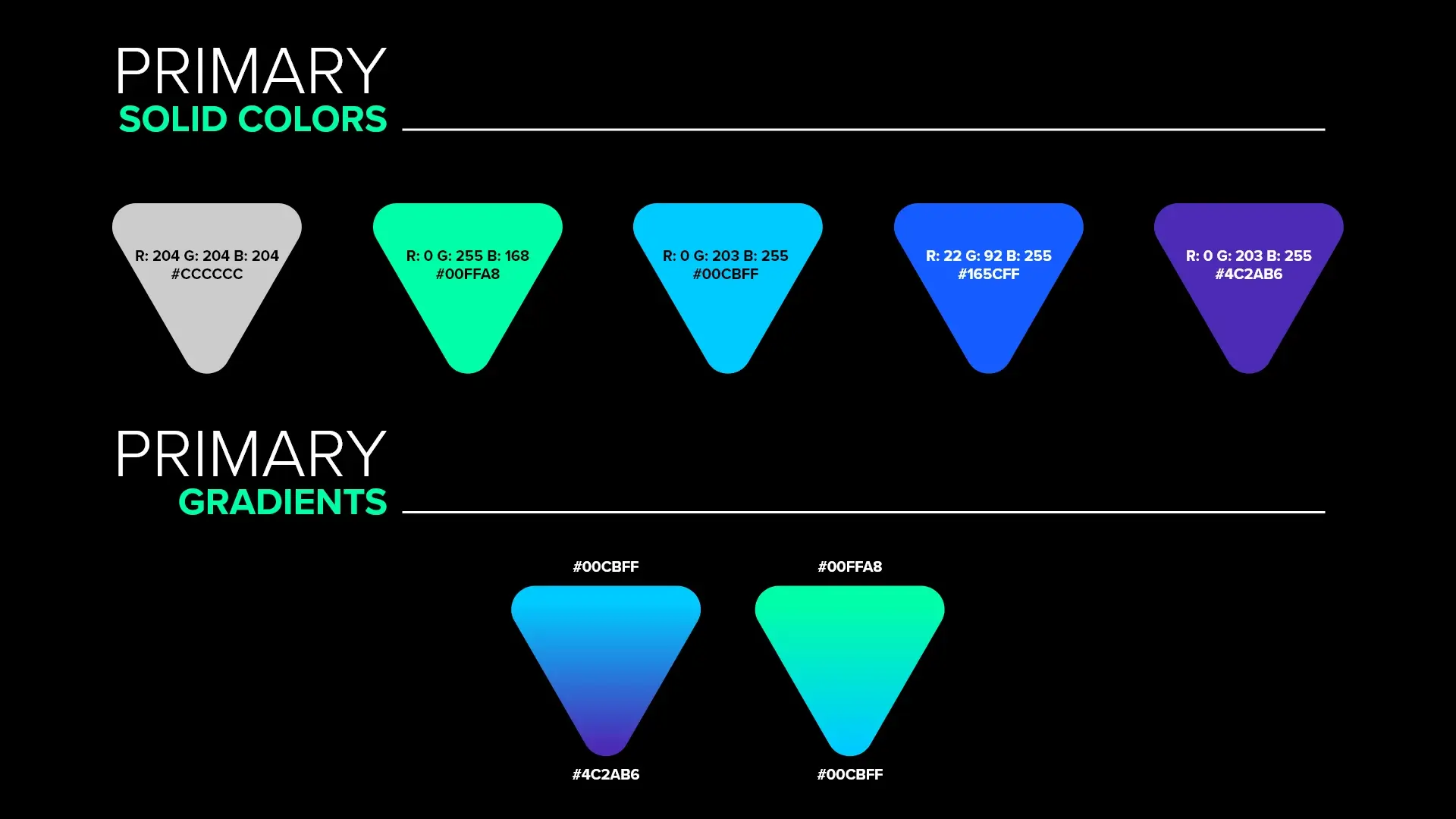
System design translated that direction into a flexible visual language. This included identity elements that could live across web, product UI, and marketing channels without fragmentation. Typography, color, layout, and motion were treated as a system rather than individual choices.
Execution followed a disciplined cadence. Collaboration was handled through a mix of asynchronous reviews, working sessions, direct access to founders and product engineers, and agency-style checkpoints. This kept momentum high while ensuring that key decisions remained aligned with the company’s goals.
Throughout the process, the focus remained on clarity and longevity. The work was not designed to chase trends, but to establish a foundation that could support future expansion without needing to be rebuilt.
The work
What we made and how it came together


The outcome
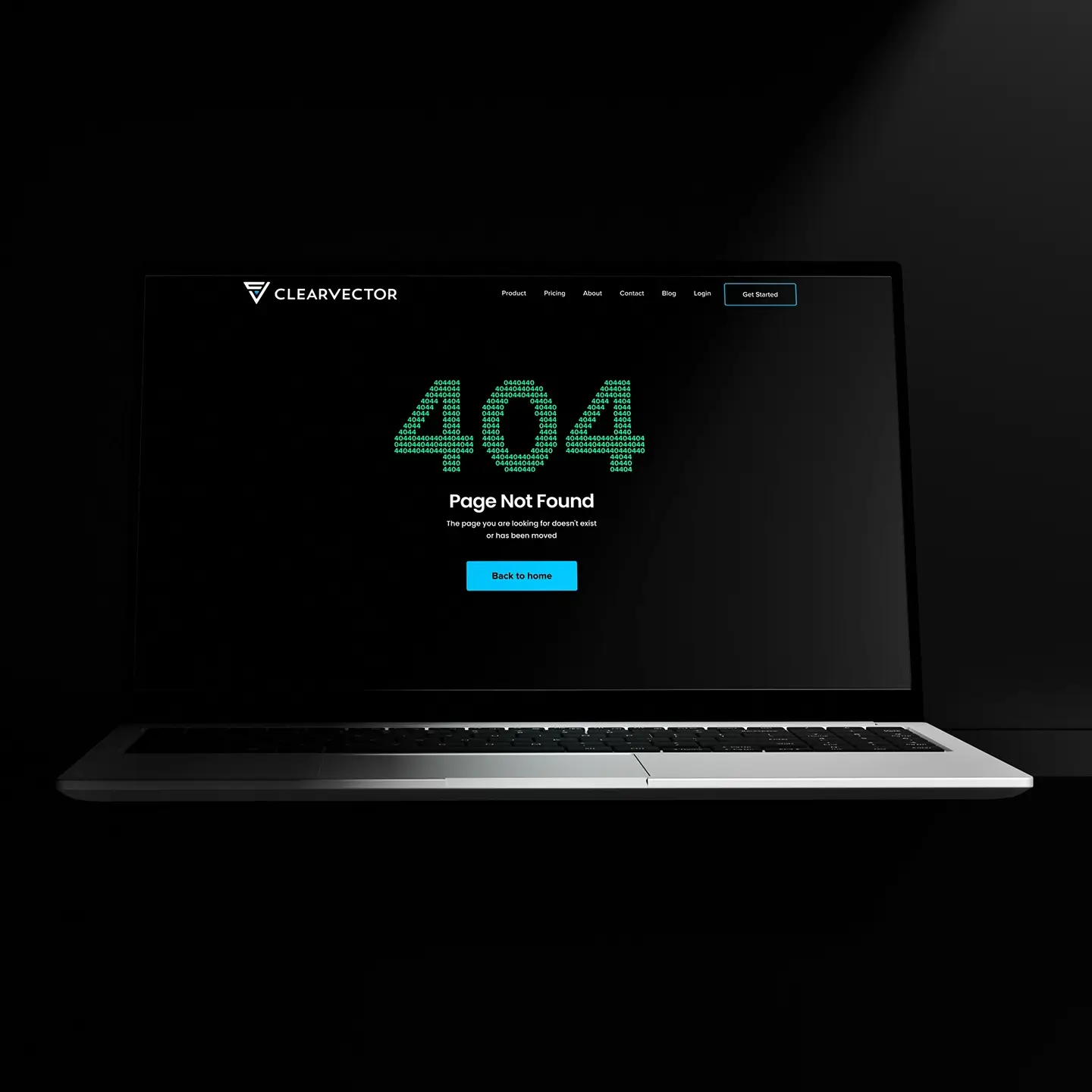
ClearVector launched with a brand they were proud to put into the world. The final system brought visual stability, consistency, and confidence to every touchpoint, from the website and product interface to marketing materials and conference presence.
More importantly, the identity reflected the standards the company had set internally. It communicated ambition, credibility, and a clear point of view in a space where many brands default to sameness.
Following the initial delivery, the relationship continued through additional projects and ongoing support as the brand evolved. The system proved flexible enough to grow with the company, reinforcing its value beyond launch and into day-to-day operation.
Image Gallery
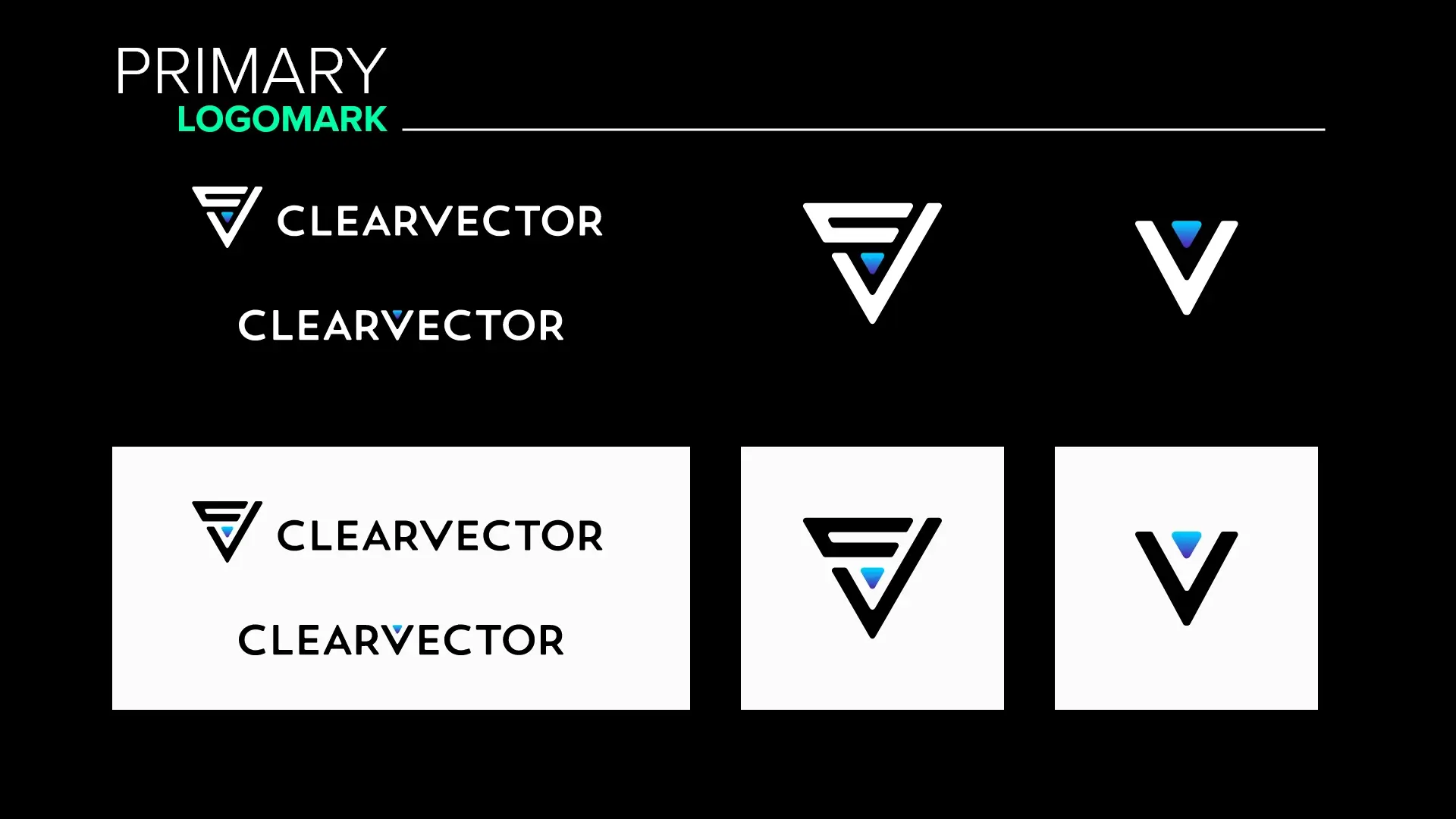
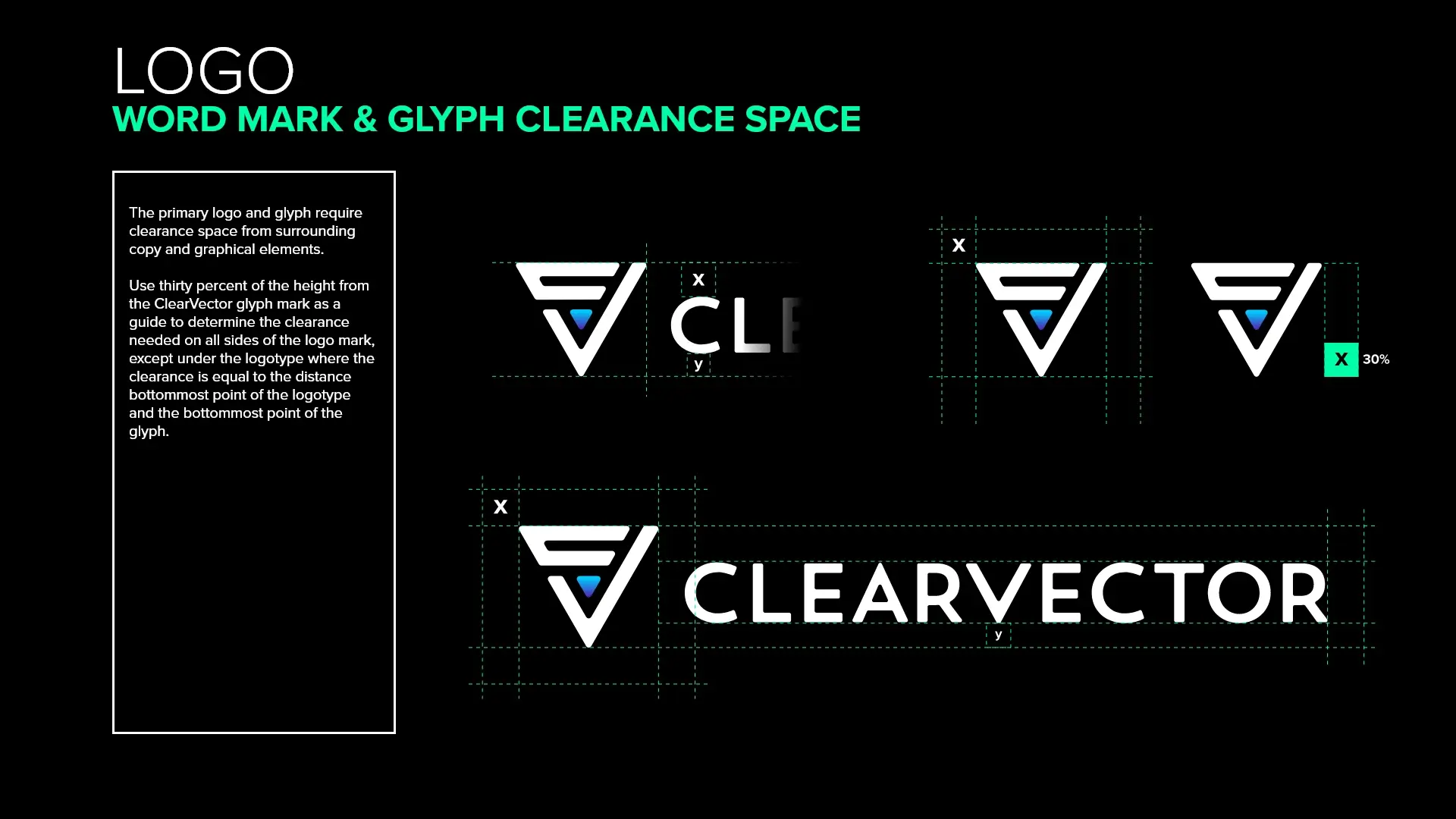
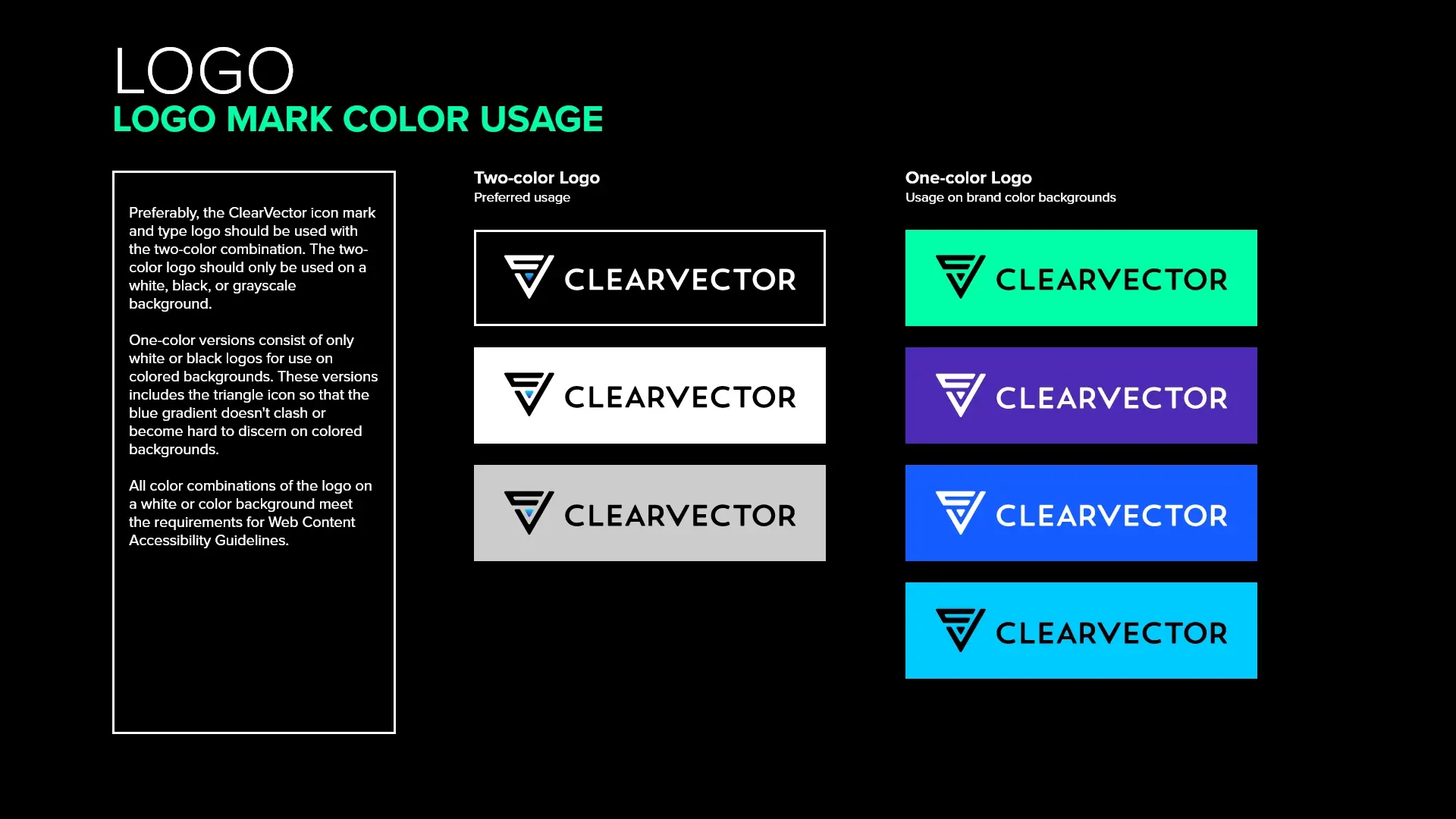
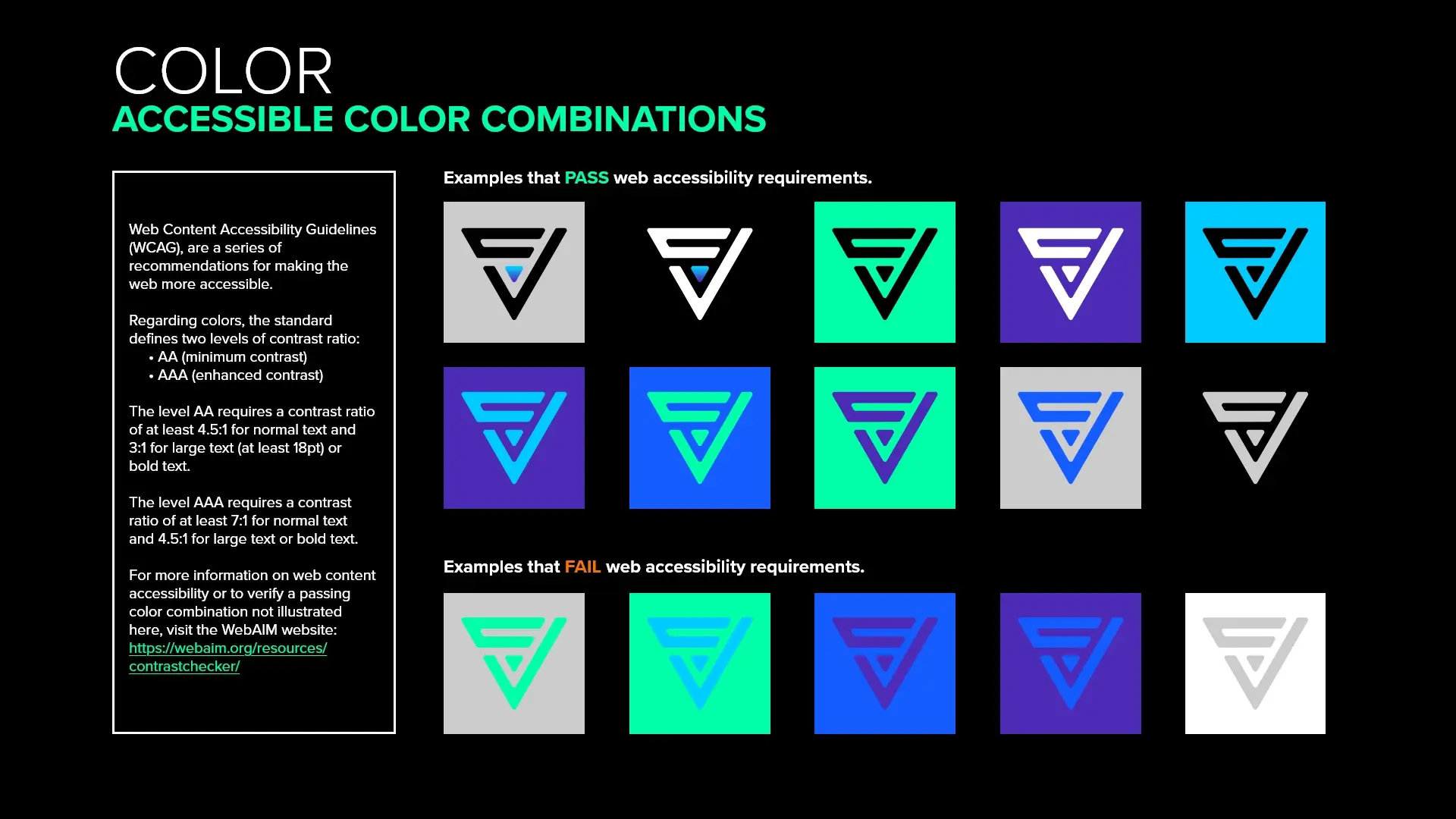
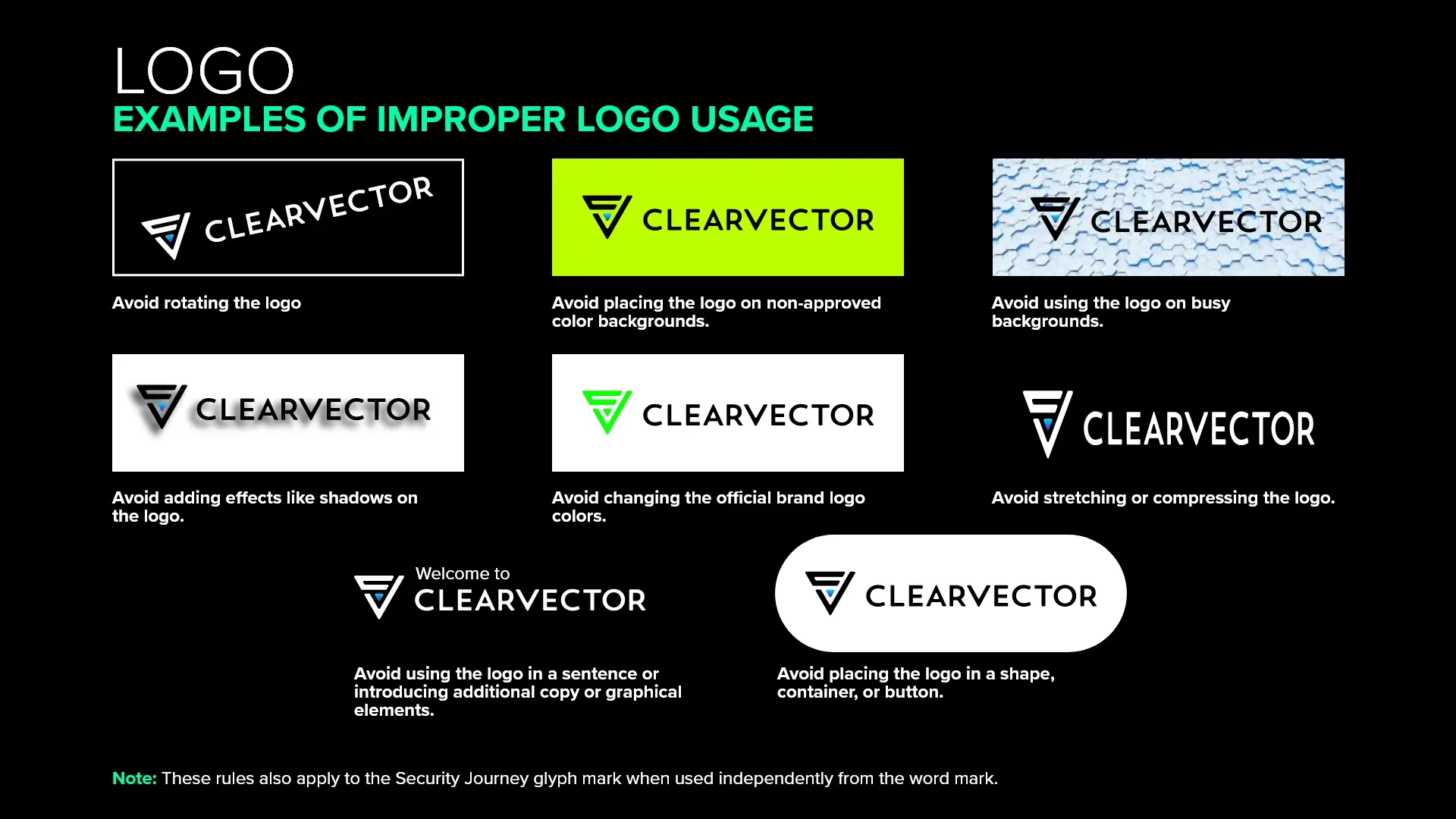
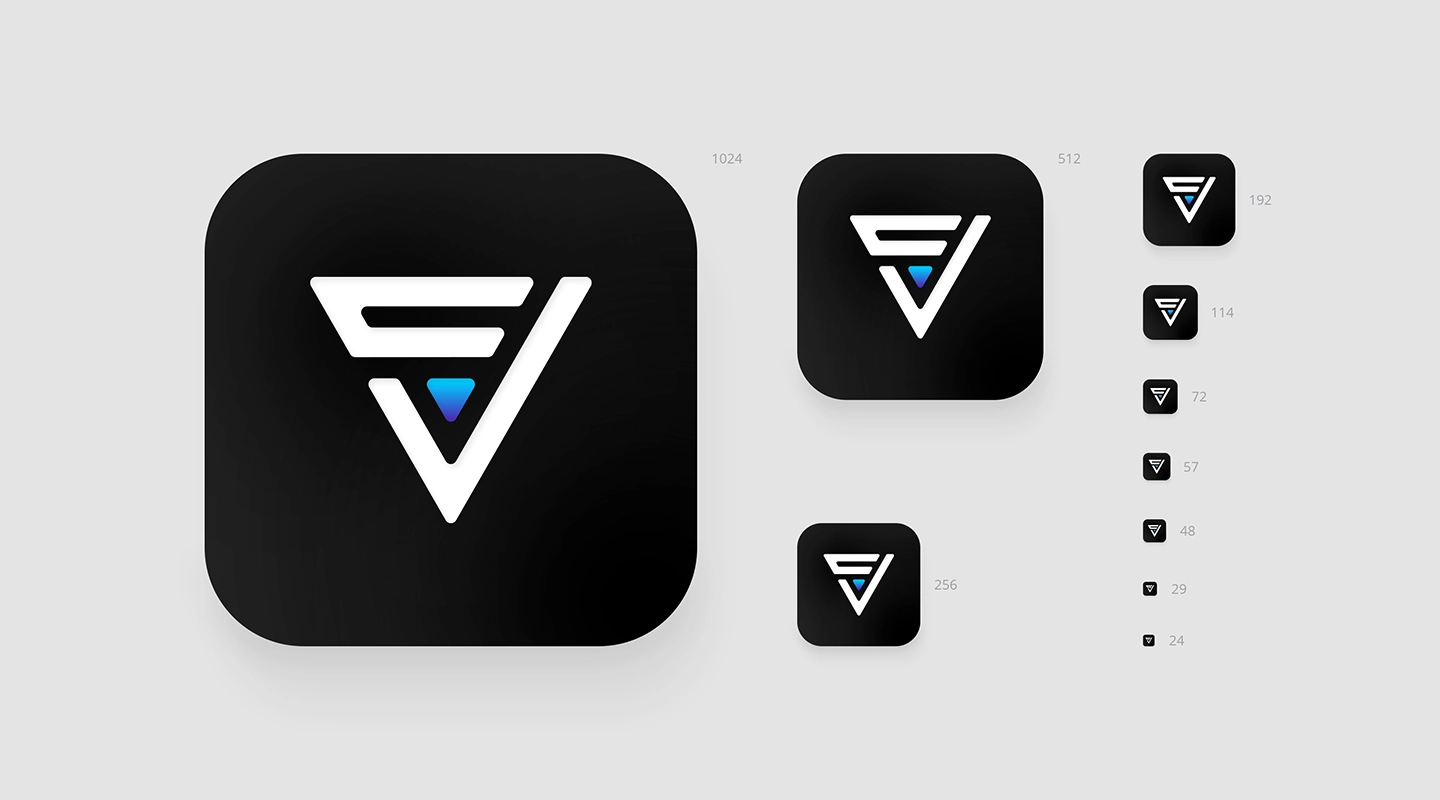
Every brand requires a minimum of basic usage guides to give context and direction to the client and other vendors they may work with in the future.